



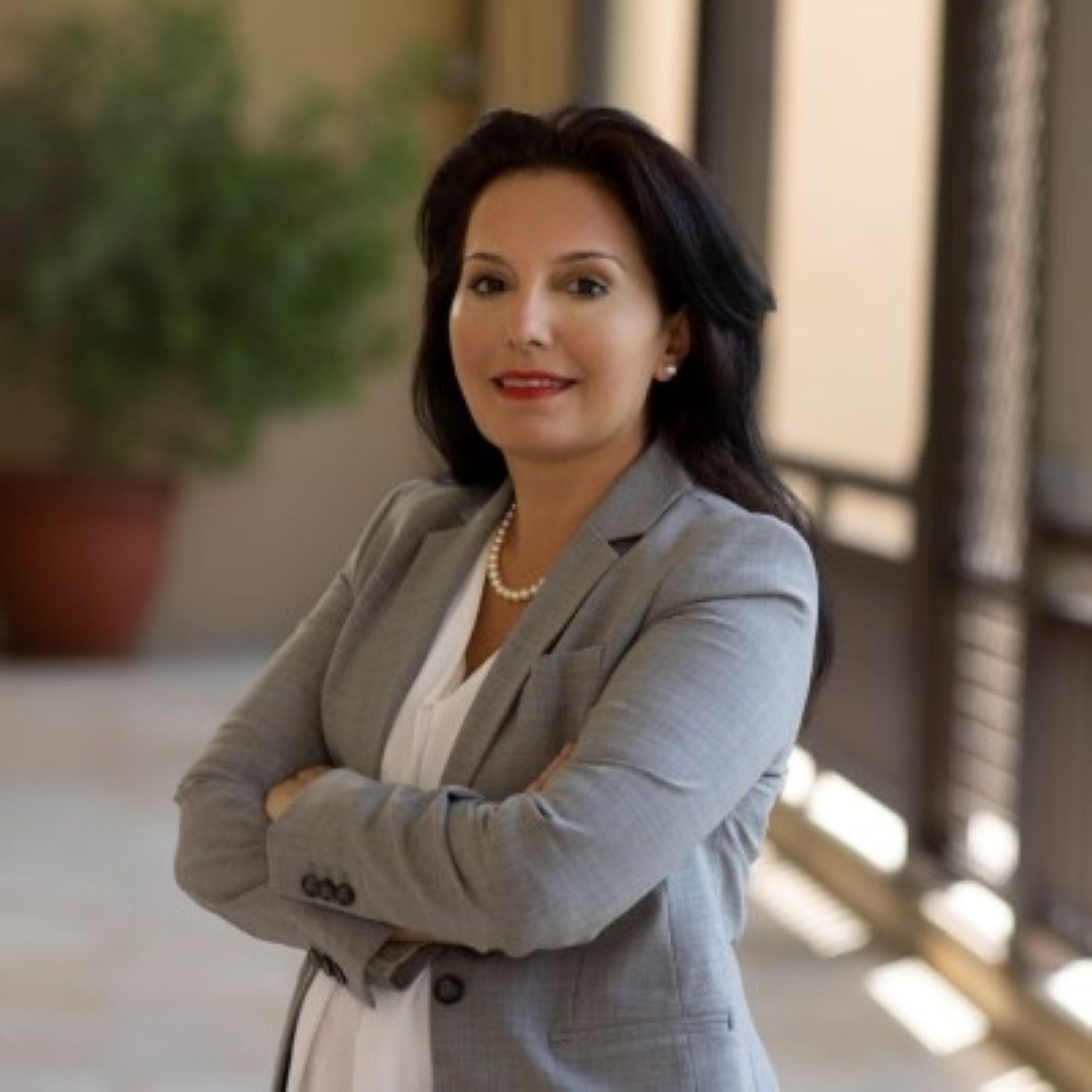
In this conversation with Sal Jafar, CEO of https://esgmena.com/ , Ms. Hale Asikoglu-Erkol, Head of Sustainable Development for Generations at Boehringer Ingelheim India, Middle East, Turkey and Africa (IMETA) https://www.boehringer-ingelheim.com/mea, discusses how the company is translating its global sustainability ambitions into meaningful local action across one of the world’s most diverse regions.
How is Boehringer Ingelheim bringing its Sustainable Development for Generations framework to life across the IMETA region, and what progress have you seen so far?
One of the most important shifts we are seeing today is the growing recognition that sustainability extends far beyond environmental performance. At Boehringer Ingelheim, our Sustainable Development for Generations (SD4G) framework reflects this broader vision by creating long-term value for patients, communities and healthcare systems.
Across the IMETA region, our strategy is built around three pillars—MORE HEALTH, MORE POTENTIAL and MORE GREEN—which guide how we improve access to healthcare, strengthen communities and reduce our environmental footprint.
One of our strongest examples is our Access to Healthcare programme in Kenya, where we have screened more than 200,000 patients for chronic diseases and enrolled over 20,000 people into long-term care programmes spanning awareness, screening, diagnosis, treatment and follow-up.
Alongside this, our Angels initiative continues to strengthen stroke care pathways across the region, while our MORE GREEN pillar supports our ambition of achieving carbon neutrality across our operations by 2030.
Together, these initiatives reflect our commitment to creating lasting health, social and environmental impact for future generations.
What does a truly sustainable healthcare system look like across the IMETA region?
For me, sustainability is fundamentally about balance. It is about balancing innovation with access, today’s healthcare needs with long-term planning, and economic growth with better health outcomes.
Healthcare systems across IMETA are experiencing rapid demographic growth alongside rising rates of chronic diseases. At the same time, scientific innovation continues to accelerate. The challenge is ensuring these advances benefit the people who need them most.
That requires earlier diagnosis, stronger healthcare workforces, integrated models of care and closer collaboration between governments, healthcare providers, academia, industry and patient organisations.
Innovation is often seen as the key to improving healthcare. How can innovation strengthen healthcare resilience and improve access to care across the region?
Innovation certainly includes scientific breakthroughs, but it extends much further than that.
It includes digital technologies, artificial intelligence, new care delivery models and collaborations that improve patient outcomes while making healthcare systems more efficient.
AI, for example, has enormous potential to make disease screening faster, more accurate and more cost-effective, allowing patients to be identified earlier and receive treatment sooner.
We also believe innovation increasingly comes from outside traditional corporate structures. That is why we actively engage startups, NGOs and social entrepreneurs, who bring deep local knowledge and fresh perspectives that can help address healthcare challenges through practical, scalable solutions.
Our ambition is not simply to work with large organisations. We want to collaborate with innovators who understand the unique needs of their communities and can help deliver sustainable, long-term impact.
Partnerships appear to sit at the center of your strategy. Why are they so important?
The biggest healthcare challenges facing society today cannot be solved by any single organization acting alone. Whether we are addressing chronic diseases, mental health, healthcare access or workforce development, meaningful progress requires collaboration across sectors.
This philosophy is deeply embedded in our strategy.
Across IMETA, we work closely with governments, healthcare institutions, academia, patient communities and industry partners to support healthcare priorities that matter locally. These collaborations combine scientific expertise with local knowledge to develop solutions that are practical, relevant and sustainable.
We also recognize that meaningful innovation often begins at the community level. That’s why we work closely with NGOs, startups and social entrepreneurs, whose local insights help us develop practical, scalable solutions that respond to the unique needs of each market.
Our Access to Healthcare program in Kenya is a strong example of what multi-stakeholder collaboration can achieve, expanding access to chronic disease screening and long-term care through partnerships with local stakeholders. Initiatives such as Angels also demonstrate how collaboration can strengthen healthcare systems and improve patient outcomes across the region.
Your work also places considerable emphasis on communities and younger generations. Why is that important?
The next generation is already changing how organisations are judged.
Increasingly, young people want to work for organisations that create meaningful social and environmental impact, not just financial success. They are looking beyond business performance and expect companies to play an active role in addressing society’s biggest challenges.
This shift is encouraging us to think differently about how we engage communities and future leaders. We are exploring new initiatives that encourage volunteering, collaboration and community-led projects because sustainable development belongs to everyone, not only businesses or governments.
Sometimes meaningful impact does not require the biggest budgets. It requires committed people, creative ideas and partners who genuinely care about making a difference.
Looking ahead, what legacy do you hope Boehringer Ingelheim’s Sustainable Development for Generations strategy will leave across the IMETA region?
Our ambition extends far beyond delivering individual projects.
Globally, Boehringer Ingelheim has committed to positively impact the lives of 50 million people by 2030 through our More Health pillar. Given that nearly half of the world’s population lives across the IMETA region, we recognize both the responsibility and the opportunity this presents.
For us, success is not measured by the number of programs we launch, but by the lasting value they create for patients, communities and healthcare systems.
That is why we place such strong emphasis on financial sustainability alongside social impact. Our goal is to develop initiatives that can become self-sustaining through strong local partnerships, creating lasting improvements in healthcare access and outcomes.
Sustainable Development for Generations is about exactly what its name represents—creating stronger healthcare systems, healthier communities and lasting impact that benefits not only today’s patients, but future generations as well.