



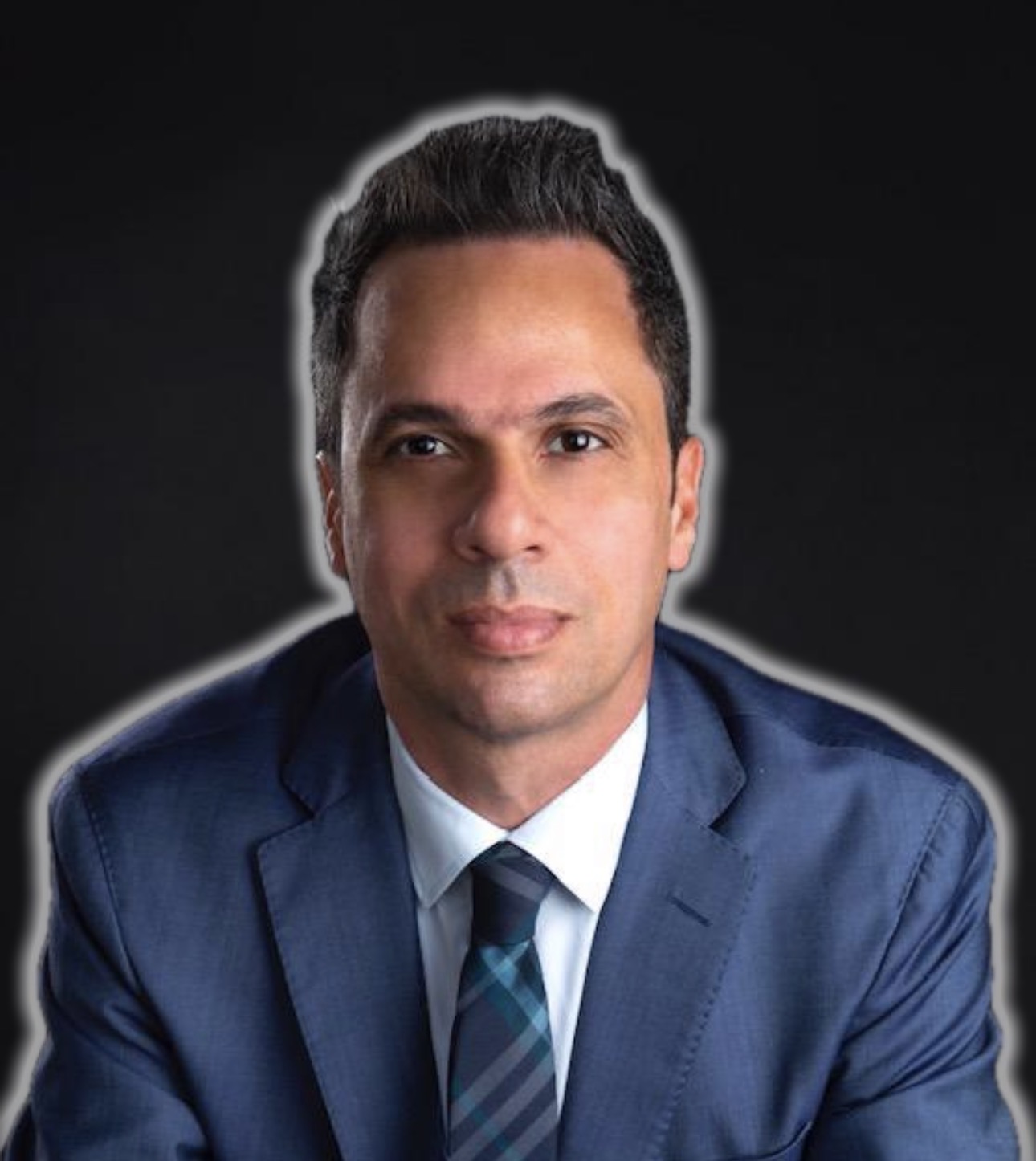
ESG MENA CEO and Editor-in-Chief Sal Jafar sat down with Ahmed Soudodi, Vice President of Kia Middle East, on the sidelines of the launch of Kia’s all-new electric light commercial vehicle (eLCV) lineup at Dubai’s Museum of the Future. The event brought together senior UAE government officials, Kia’s global leadership, regional dealers, media representatives, and industry stakeholders, underscoring the company’s growing commitment to electrification across the Middle East.
Q: Kia has been accelerating its global electric vehicle strategy. How does the Middle East fit into that vision?
Ahmed Soudodi: The Middle East is a strategic market within Kia’s global electrification roadmap. Following the regional introduction of the EV6 and EV9 in 2023, we have continued expanding our dedicated EV portfolio with models including the EV5, the compact EV3, and now our all-electric PV5 platform.
Our objective is not simply to introduce electric vehicles, but to establish a sustainable ecosystem that supports long-term EV adoption while responding to the unique requirements of regional markets.
Q: You’re launching an electric light commercial vehicle lineup in a region known for its extreme climate. How confident are you about vehicle performance and certification?
Ahmed Soudodi: We have invested heavily in ensuring these vehicles are fully prepared for Middle Eastern operating conditions. Our products are certified by the relevant regional authorities, including MoIAT, SASO and GSO standards.
Beyond certification, Kia operates its Africa and Middle East Quality Center, where vehicles undergo extensive reliability and durability testing under local environmental conditions. These vehicles are designed specifically with the region in mind, and we continuously test and evaluate them to the highest global standards.
This reflects our long-term commitment to the Middle East and our confidence in the products we are introducing.
Q: OEMs are investing significantly in electrification, but dealer engagement remains critical. How are you preparing your dealer network?
Ahmed Soudodi: We are working closely with both our dealer partners and governments to support the transition to electrification. Our approach is not about forcing EV adoption but enabling it through collaboration.
We recognize that the future will not be exclusively electric overnight. Different markets will evolve at different speeds, with some leaning more toward hybrids while others embrace battery-electric vehicles more rapidly.
We’ve also learned valuable lessons from Europe, where EV momentum has fluctuated due to changing market conditions. Every region requires its own strategy, and the Middle East deserves an approach tailored to its specific needs.
Q: Charging infrastructure remains one of the biggest challenges. What role is Kia playing?
Ahmed Soudodi: Infrastructure is fundamental to successful electrification. We are working closely with charge point operators and government-backed initiatives such as UAEV and EVIQ to strengthen the charging ecosystem.
Commercial electric vehicles, in particular, require dedicated charging solutions that differ from passenger vehicles. Building that infrastructure is an ongoing process and an essential component of our broader electrification strategy, supporting individual consumers, commercial fleets and service providers alike.
Q: How do you view the current state of green finance for electric mobility in the region?
Ahmed Soudodi: Green financing is becoming increasingly available across the Middle East. However, some financial institutions continue to have questions regarding long-term maintenance costs, residual values, charging infrastructure, technician training and spare parts availability.
Our role is to demonstrate that these concerns are being comprehensively addressed. We are providing clear solutions across the entire ownership experience to give financial partners greater confidence in supporting EV adoption.
Q: Which customer segments are you targeting with the new electric light commercial vehicle range?
Ahmed Soudodi: We anticipate that approximately 60% of demand will come from cargo, around 30% from passenger transport, and the remaining 10% from mobility and service providers such as Careem, and similar operators.
This reflects the broad versatility of the platform and its ability to serve multiple commercial applications.
Q: Beyond the UAE, Kia has continued to grow across several Middle Eastern and North African markets. How do you approach such diverse markets?
Ahmed Soudodi: Every market has its own regulatory environment, customer expectations and mobility requirements. Whether in Jordan, Egypt, Tunisia or other markets across the region, our strategy is to remain flexible while maintaining the same standards of quality, reliability and customer support.
That localized approach has been an important contributor to Kia’s continued regional growth.
Q: Grey-market imports continue to exist across parts of the region. How do you differentiate the official dealer network?
Ahmed Soudodi: Education remains one of our most important responsibilities. We work closely with governments and regulators to help develop effective policies and consumer awareness around vehicle standards.
Customers increasingly recognize the value of purchasing through Kia’s authorized dealer network. Official vehicles provide factory-backed warranties, certified servicing, technical expertise and the assurance that vehicles have been developed and validated for the demanding conditions of this region.
Ultimately, safety, reliability and customer confidence remain at the core of everything we do.