



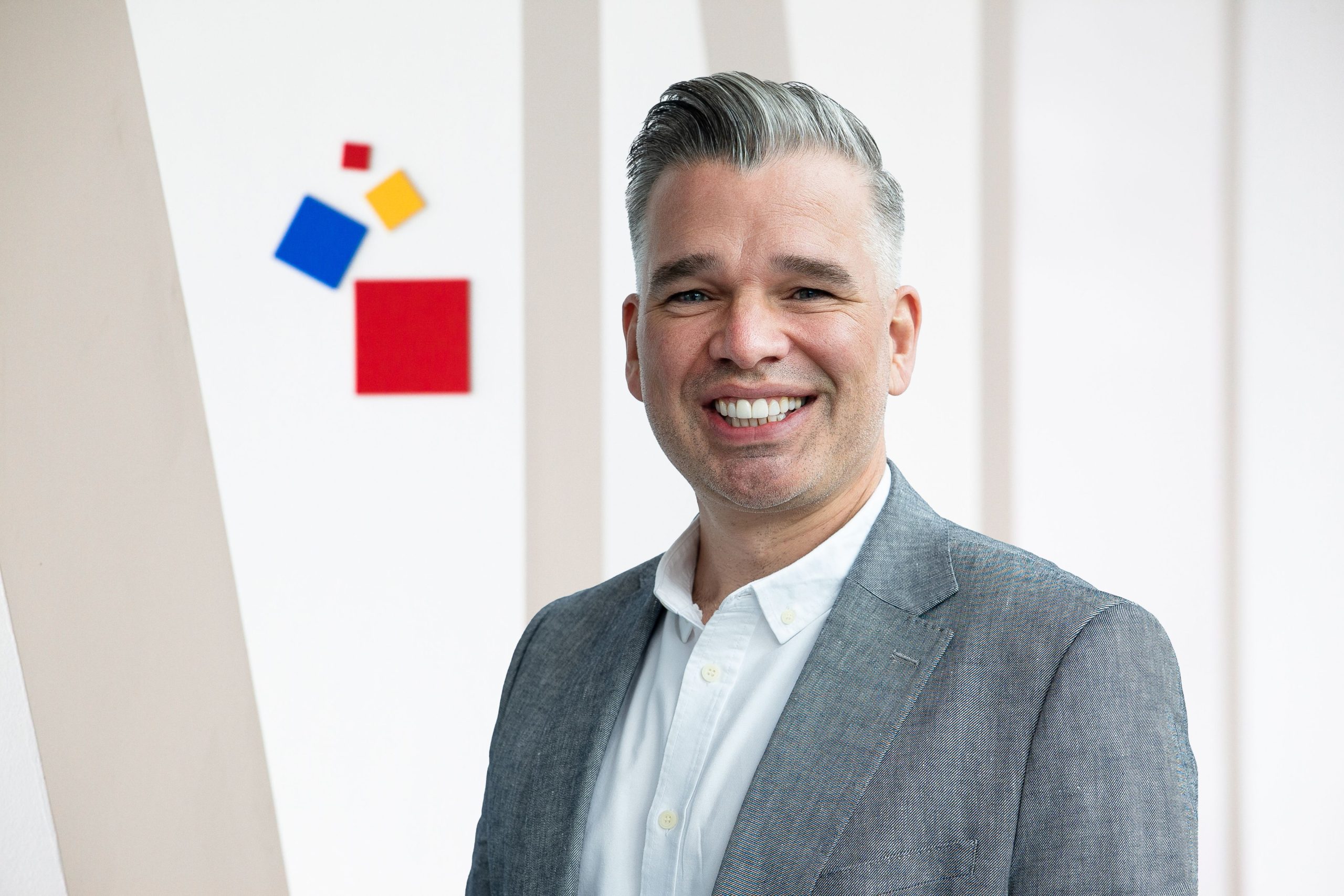
As the automotive industry across the Middle East accelerates towards electrification, the need for a future-ready aftermarket ecosystem is becoming increasingly important. At Automechanika Dubai 2026, the focus extends beyond EV adoption to the practical requirements of servicing, repairing and supporting electric and hybrid vehicles throughout their lifecycle. In this interview, Chris Lee, Chris Lee, Portfolio Director, Mobility & Logistics, Messe Frankfurt Middle East, discusses how the event is bringing together industry stakeholders to address EV readiness, technician skills, infrastructure, after-sales service, recycling and circularity, while fostering greater collaboration between the public and private sectors.
- How is Automechanika 2026 going to address the rapid EV developments in the region?
The rapid development of the region’s EV market brings an equally important question: how do we prepare the industry to support these vehicles throughout their working lives? At Automechanika Dubai 2026, we are connecting the wider electrification discussion with the practical requirements of the aftermarket.
Innovation4Mobility will explore scaling electrification, infrastructure readiness and consumer adoption, while Modern Workshop will focus on EV and hybrid servicing, safety, diagnostics, tools and technician training. Aftermarket Central will examine next-generation battery demand, service readiness, second-life applications and recycling.
Our aim is to help businesses understand where investment and skills development are needed. For electrification to deliver lasting value, customers need confidence in the servicing, repair and lifecycle support available after they purchase a vehicle.
- What about recycling in the auto sector overall—spare parts and other materials?
We need to look at circularity across the entire automotive value chain, including spare parts, batteries, tyres and lubricants. Recycling is one element; extending product life through appropriate maintenance, repair, reuse and remanufacturing should also be part of the discussion, wherever safety and quality requirements can be met.
Our education programme addresses this through several perspectives. Aftermarket Central will explore battery second life and recycling, alongside the relationship between sustainability and commercial performance. LABX will examine used-oil collection and re-refining, including the regulation, technology and economics needed to make circular lubricant systems viable.
For spare parts, the broader opportunity is to retain value for longer while maintaining traceability and reliable performance. As an industry platform, our role is to connect businesses around the practical conditions that make circularity work: collection systems, clear responsibilities, trusted standards and commercially sustainable models.
- Knowledge sharing is vital across the evolving EV market; how can Automechanika 2026 bring together the different stakeholders involved?
EV readiness depends on knowledge moving between organisations that often approach the same challenge from different directions. Manufacturers understand vehicle technology, workshops understand service requirements, fleet operators understand daily operating pressures, and policymakers and infrastructure providers help shape the conditions for adoption.
Automechanika Dubai brings these perspectives together through the exhibition, conference discussions, technical workshops and training. Innovation4Mobility will address policy, infrastructure and deployment; Modern Workshop will translate technological change into practical servicing requirements; and Fleet FWD will explore electrification from an operator’s perspective.
The value lies in connecting these conversations. A workshop’s experience can inform a manufacturer’s after-sales approach, while fleet operating challenges can help infrastructure providers understand what customers need. We want participants to leave with useful knowledge and relationships that help them act on it.
- Is there a plan to establish a dialogue between the public and private sectors at Automechanika 2026 for after-sales EV service?
We see Automechanika Dubai as an important setting for that dialogue. The 2026 edition has government support from the Roads and Transport Authority and the Ministry of Energy and Infrastructure, while the planned programme brings policy, infrastructure and private-sector perspectives into discussions on electrification and industry readiness.
EV after-sales service needs this coordination. Technician competence, safe working practices, access to diagnostic information, battery handling and consistent service standards are issues that require input from both industry and the public sector.
Our approach is to connect the policy and infrastructure discussions at Innovation4Mobility with the operational challenges addressed through Modern Workshop and Aftermarket Central. The objective is to give stakeholders a clearer understanding of where service capability needs to develop and where collaboration can help build consumer confidence in electric mobility.